

What About Your Pick-Ups?
Pickups are one of the most defining elements of an electric guitar or bass kit’s character. From the early days of electrification in the 30's to our days, with DIY guitar kits and boutique builds, for example, pickup design has evolved to meet the ever-changing needs of musicians. Whether you’re chasing a vintage sound or building a high-output machine for modern tones, understanding pickups is key to shaping your tone. In this guide, we cover must of major pickup types, their specific tonal behaviors, and their common uses in DIY guitars and basses.
Single Coil Pickups
Single coil pickups use a single magnet wrapped in fine copper wire to convert string vibrations into an electrical signal. Their design favors high-end frequencies, providing a clear, articulate sound with enhanced treble and fast transient response. They tend to produce more hum* than other types but remain a staple for vintage and modern clean tones alike.
*unwanted low-frequency noise caused by electromagnetic interference. They can be avoided by a shielding using inside the cavities of your instrument.
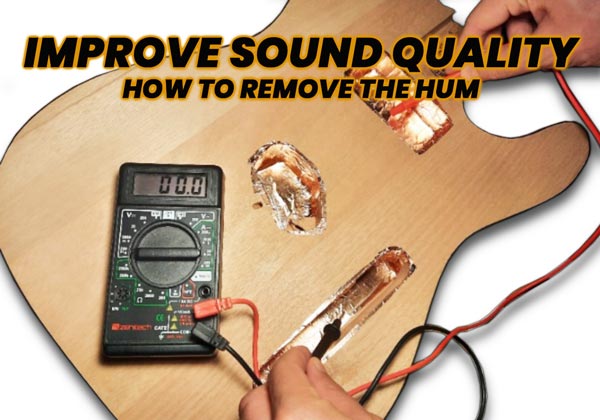
COPPER TAPE INSTALLATION
Standard Single Coil
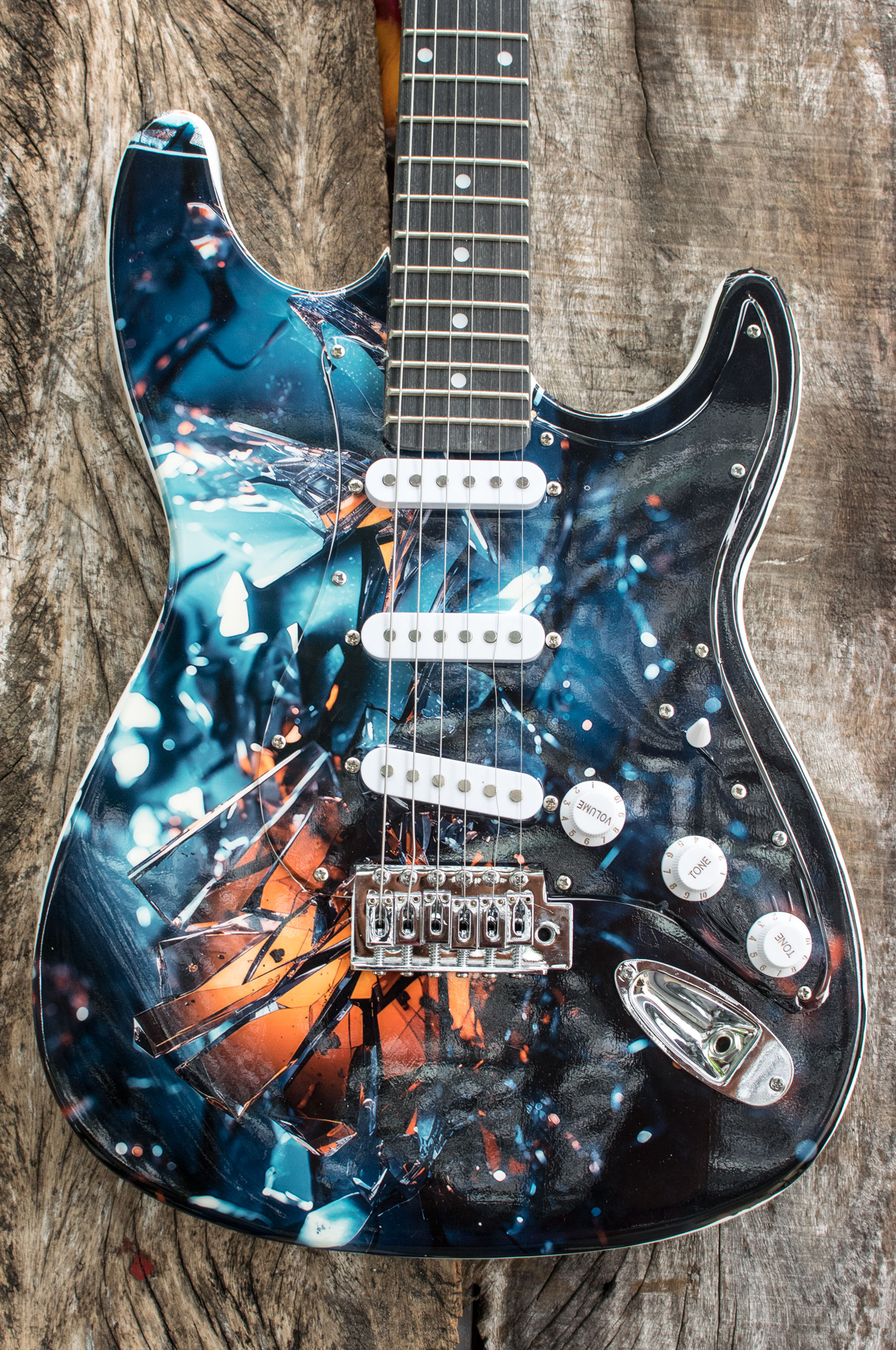
Known for their bright attack and biting clarity, standard single coil pickups are most often associated with Fender Stratocaster. They cut well through a mix, making them a top choice for funk, blues, and clean rhythm work. Expect glassy highs, scooped mids, and tight lows.
Note: For builders using a Standard Single Coil like the ST Guitar kits, adding cavity shielding become even more useful to reduce noise and preserve tonal definition.
Examples:
Lipstick Pickups

Lipstick pickups, originally improvised from lipstick tubes in the 1950s, use a lower-output coil that produces a looser, hollow tone. Expect chime, sparkle, and plenty of harmonic overtones. They're less suited for distortion but pair beautifully with spring reverb and analog tremolo pedals for surf, indie, or retro textures. Ideal for builders seeking something visually and sonically distinct in a DIY guitar kit.
Gold Foil Pickups

Gold foil pickups were popularized in the 1960s by Japanese and American budget guitars. Despite their name, they vary widely in construction but typically offer a rich midrange, lo-fi breakup, and slightly microphonic response. Their enhanced touch sensitivity makes them great for expressive playing and experimental textures. They respond well to fuzz and analog delay, making them a favorite for vintage aesthetics.
Double Coil Pickups
Double coil pickups, often called humbuckers, feature two coils wired out of phase to cancel previously mentioned hum. This design increases output and emphasizes midrange and low frequencies. As a result, they deliver a warmer, thicker sound that excels in high-gain situations. Ideal for DIY builders creating guitars meant for heavier music styles or noiseless operation in studio settings.
Standard Humbucker (Double-Coil)

Standard humbuckers produce a smooth, powerful signal with a pronounced midrange and subdued highs. They're less sensitive to interference, making them reliable under gain-heavy conditions. Excellent for modern rock, metal, and even jazz, where warm, full-bodied tone is preferred. Their even frequency response also pairs well with digital amp modelers and high-gain pedals.
Tip: Pairing a bridge-position humbucker with a clean neck pickup allows versatile tone-switching within a single DIY build.
Examples:
Mini-Humbuckers

Mini-humbuckers feature a narrower coil structure than standard models, resulting in tighter lows and enhanced clarity. They retain hum-cancelling qualities while offering a more focused tone, with balanced high frequencies and quicker attack. This makes them well-suited for DIY builds targeting indie rock, country, or lead work in cleaner genres.
Examples:
P90 Pickups

Though technically single coils, P90s use a wider coil and more robust magnets than standard single coils, delivering higher output and chunkier tone. They produce a raw, percussive character with emphasized upper mids and gritty low-end response. Great with tube amps and analog overdrives, they handle everything from jazz to punk with ease.
Examples:
Stacked Single Coils

Stacked single coils house a second coil beneath the primary one to eliminate hum while preserving single coil tone. The sound is slightly compressed compared to traditional single coils but remains articulate and bright. Perfect for players wanting a noiseless guitar without sacrificing clarity.
Passive vs. Active
Pickup systems are either passive or active. Passive pickups rely entirely on magnet strength and coil windings, while active pickups integrate an onboard preamp for higher output and reduced signal degradation. Active types are often used in metal, prog, or technical genres; passive pickups remain favored for expressive playing and tonal nuance.
Passive Pickups

Passive pickups provide a dynamic and touch-sensitive response. Their tone varies with pick attack, volume knob position, and signal chain. They shine in traditional rock, blues, and funk setups. Passive circuits are easier to wire for DIY luthiers and can be fine-tuned with different capacitor and pot values.
Examples:
Active Pickups

Active pickups include a battery-powered preamp, offering low noise, extended frequency response, and high headroom. They output a consistent signal regardless of cable length and are excellent for use with digital rigs and multi-effects setups. Popular in modern DIY builds focused on metal, fusion, and precision recording.
| Feature | Passive | Active |
|---|---|---|
| Power | No battery needed | Requires battery |
| Response to playing | Very dynamic, sensitive to touch | Smoother, more consistent tone |
| Output Level | Lower volume | Higher volume |
| Noise | More prone to hum | Less noise, cleaner signal |
| Signal Consistency | Varies with gear and cables | Stable regardless of setup |
| Typical Genres | Rock, blues, funk | Metal, prog, fusion |
Bass Guitar Pickups
Bass pickups have evolved thanks to pioneering brands like Fender, Rickenbacker, Music Man, and more, whose innovations set industry standards. Today, new blood brands and creators build on these foundations with pickups designed to capture deep low-end dynamics, broaden frequency response, and reduce unwanted noise. Unlike guitar pickups, bass pickups emphasize powerful lows and clarity, essential for solid rhythm section presence in bass guitar kits and DIY bass builds.
P-Bass (Split Coil)

The P-Bass pickup is a split coil design with two coils wired to cancel hum and noise. It delivers a punchy, clear sound with strong mids and sharp attack, perfect for rock, funk, and vintage bass tones. Its frequency response balances lows and mids, making it well suited for compression and growl effects in bass guitar kits.
Examples:
J-Bass (Single Coil)

J-Bass pickups use single coils to provide brighter, more articulate tones with enhanced note separation. Compared to P-Bass pickups, they have extended highs and a faster attack but are more prone to background noise. They excel in genres requiring clarity and definition, responding well to overdrive and modulation pedals popular in bass guitar DIY builds.
Examples:
Soapbar Pickups

Soapbar pickups, single or humbucking, are housed in a rectangular case offering versatile tone with balanced lows, mids, and highs. Their higher output and resistance to interference make them ideal for slap bass, modern grooves, and experimental styles. Soapbar pickups are a favorite in contemporary bass guitar kits for their clarity and power.
Examples:
Rickenbacker Pickups

Rickenbacker pickups feature a unique wide coil design that produces clear, articulate tones with bright highs and natural sustain. Known for punchy mid-high frequencies and precise attack, they are staples in rock, pop, and vintage bass kit recreations.
Examples:
Music Man Pickups

Music Man pickups are often active, incorporating preamps for high output, wide dynamic range, and low noise floor. They deliver clear, powerful tones across deep lows to crisp highs and maintain definition under high gain and compression effects. Perfect for modern bass guitar kits needing punch and precision.
Examples:
Acoustic & Hybrid Pickups
Acoustic and hybrid pickups include analog options like piezos and microphones that capture natural guitar body vibrations, alongside magnetic pickups for electric tonal characteristics. Acoustic guitars may have magnetic pickups for versatility, while electric guitars sometimes use piezos to add acoustic flavor. These options offer varied sound palettes tailored to player style and performance needs in guitar DIY kits.
Piezo Pickups

Piezo pickups detect mechanical vibrations via pressure-sensitive crystals under the saddle or guitar top. They provide clear, detailed acoustic tones with strong high-frequency presence. Their tonal character differs from magnetic pickups, often lacking bass warmth but excelling with dedicated preamps and EQs in acoustic guitar kits.
Examples:
Microphones

Microphone pickups, condenser or dynamic, capture the guitar’s natural acoustic sound with a wide frequency response and faithful reproduction. They are delicate and sensitive to stage feedback but combine well with piezos for rich hybrid acoustic-electric tones in guitar kits.
Configuration & Positions
Pickup positions greatly influence guitar and bass tone. Neck pickups deliver warm, full-bodied sound with rich lows and mids, perfect for smooth leads and effects like chorus and reverb. Middle pickups blend neck and bridge tones for balanced, versatile rhythm sounds. Bridge pickups offer bright, sharp tones with strong attack and pronounced highs, ideal for solos and distortion.
Pickup configurations are noted with codes such as HHH (three humbuckers), SSH (single-single-humbucker), JJ (two single coils), or MM (Music Man humbuckers). These configurations combine pickup types and positions to unlock diverse tonal options, essential knowledge for guitar and bass kit builders aiming for tailored sound.
These principles also apply to bass guitar pickups, where clarity, punch, and low-end definition across positions are key to strong bass tone in DIY builds.
The neck pickup produces warm tones rich in lows and mids with smooth attack, favored for melodic lines and softer sounds. It emphasizes lower frequencies and complements effects like reverb and chorus.
The middle pickup offers a balanced tone between neck and bridge, providing clarity and moderate attack. It is commonly used for rhythm playing and may be single coil or humbucker depending on configuration.
Bridge pickups deliver bright, aggressive tones with strong attack and high-frequency emphasis, ideal for dynamic solos, riffs, and distortion effects.
Wiring & Switching Options
Most guitars use standard wiring setups that work well for a wide range of styles. A Strat gives you bright, clear tones and those classic in-between sounds. A Tele is punchy and twangy with its three-way switch. A Les Paul delivers full, warm tones thanks to its humbuckers wired in series. These tried-and-true setups give you reliable, versatile sounds right out of the box.
If you want to go further, alternative wiring opens new tonal options. Parallel wiring sounds cleaner and more open. Coil splitting lets a humbucker act like a single coil for more bite. Coil tapping lowers the output for a vintage feel. Phase switching gives you thinner, sharper tones that cut through the mix. These mods help you get more sounds from the same guitar.
Whether you stick to the classics or add switching options, wiring changes how your guitar feels and sounds. Explore, experiment and make it yours.
Special Pickup Types & Features
Pickup innovations expand sonic possibilities, improve fidelity, and introduce eco-friendly solutions to reduce power use while maintaining sound quality. These advances unlock new experimental sounds and performance options.
F-Spaced Pickups
F-Spaced pickups feature wider pole spacing for better accuracy on wider bass strings and longer scale guitars, enhancing clarity in DIY bass kits.
RWRP (Reverse Wound Reverse Polarity)
RWRP pickups reverse winding and magnetic polarity to cancel hum when paired, especially in middle positions, reducing noise in multi-pickup configurations.
MIDI Pickups

MIDI pickups convert string vibrations to digital signals, enabling direct synth control and extended sonic creativity for modern guitar and bass builds.
Airbucker Technology
Airbucker technology replicates humbucker tone with enhanced sensitivity and reduced electromagnetic interference, ideal for clear and dynamic sound.
Optical Pickups

Optical pickups detect string vibrations via light sensors, producing noise-free, clean signals with wide dynamic response for cutting-edge tone.
Sustainer Systems

Sustainer systems maintain string vibration electrically for infinite sustain, opening new expressive performance possibilities.
Conclusion
Bass and guitar pickups have evolved to offer wide tonal ranges suitable for all playing styles and contexts. From classic P-Bass and J-Bass designs to innovative optical and MIDI pickups, each type addresses specific sonic needs. Configurations and wiring options enable deep customization for personal tone shaping. Recent innovations also prioritize eco-friendliness alongside high sound quality. Explore our full pickup guides to find the perfect components for your guitar or bass kit project.
